Friday, February 27, 2015
2/27/15
Today in West Civ we took our test on Egypt. I thought that for the most part the test was pretty easy. I thought that a couple of the questions were hard though. The test was on a scantron and it was 26 questions long. Our average for the test was 87%. This is better than both of the other classes. I got a 92 on the test which is what i expected because i didn't know two or three questions.

Thursday, February 26, 2015
Cyber Day
1. What was the earliest form of Egyptian writing?
A. Hieratic Script
B. Ideograms
C. Hieroglyphs
D. Demotic
2. Who were not used to build the pyramids?
A. Craftsman
B. Farmers
C. Officials
D. Slaves
3. What is most unique about the Nile
A. Flowed north to south
B. Flowed south to north
C. Flowed east to west
D. Flowed west to east
4. What is one thing that Egyptians created to help increase transport ability on the Nile?
A. Sailboats
5. What is the harmony and balance of the universe the Egyptians relied on called?
A. "maat"
Wednesday, February 25, 2015
2/25/15
Today in West Civ we took notes on a power point. Here are the notes I took:
Government by a God-King
- Pharaoh was all powerful, worshipped as a god and intimately connected to the other major Egyptian gods and goddesses.
- Egyptians relied on a harmony and balance of the universe, which they called "maat"
- Pharaohs had multiple wives, and all routes to financial and social success were through the palace.
- Women could inherit money and land and divorce their husband, though only a tiny few ever wielded real political power.
Gods, Humans, and everlasting life
- Gods were often portrayed with animal heads and bodies
- Egyptians believed in an afterlife and mummified bodies to preserve them for this post-death journey
- All souls would need to justify themselves at the point of death and be either sent to an after-world paradise, or the jaws of a monster.
The Writing of the Words of God
- Earliest Egyptian writing formed c. 3100 B.C. and were small pictures known as hieroglyphs
- Hieroglyphs represented religious words, or parts of words, and most commonly adorned temples
- Hieratic script was a shorthand development by scribes and priests
- Hieratic script was usually written in ink on papyrus, which was made from mashed Nile reeds
- Papyrus, the precursor to paper, was stored in scrolls and these scrolls were the books of ancient Egypt.
Calendars and Sailboats
- Egyptian astronomers created a calendar with 12 months and 365 days to make better sense of the seasonal cycles.
- Due to the excellent knowledge of human anatomy, Egyptian doctors wrote extensively on health issues and created potions and cures for a number of common ailments
- Wooden sailboats were constructed to increase transport ability on the Nile
Pyramids and Temples
- The pyramids were massive stone tombs, originally covered in marble but the marble was later stripped off during the Muslim conquest
- The Temple of Amon at Karnak is the largest religious building in the world, also made out of huge blocks of stone
- Stone sculptures and interior painting depicted humans as gods in a series of regulated poses, often in profile and without perspective, but were highly effective
Tuesday, February 24, 2015
2/24/15
Today in West Civ class we had to build a pyramid with a partner. The first two groups to finish got an A, the second two groups to finish got a B, and all the other groups to finish got a C. At first I thought that it was pretty hard but once i got into it, it was pretty easy. Me and my partner were the first group done so we got an A. It was funny watching other people struggling a lot with building the pyramid. In the end, everyone in the class finished.
Saturday, February 21, 2015
2/20/15
Technological developments of the Ancient Egyptians that helped them advance as a civilization.
1. Medicine - Herbs, acupuncture and prayer were commonly used to heal people. Medicine is a very important invention because it helped them to cure tons of people and save many lives.
2. Calendar - Without a calendar, ancient Egyptians had no way of knowing when the flooding of the Nile would begin. Without that knowledge, their entire agricultural system would be put at risk. There calendar was split up into 3 seasons: inundation, growing and harvest. Each season had four months, with each month divided into 30 days. Adding it all up, you get 360 days a year.
3.Written Language - The Egyptian writing system began with pictograms. Pictograms were simple depictions of the words they represented, but they had limitations. Over time, Egyptians created alphabet like characters that stood for certain sounds and other characters, allowing them to write out names and abstract ideas. Egyptians are know for the creation of hieroglyphs which contained a mixture of alphabetic, syllabic symbols, as well as ideograms
4. Papyrus - Papyrus is a stiff, reed like plant that grew/grows in the marshy areas lining the Nile. It was ideal for making sheets to write on and many other things. They were used for everything from religious texts to literature and even music.
5. Toothpaste - Egyptians had a lot of trouble with their teeth. Part of the reason was because their
bread had grit and sand in it, which damaged the teeth. While they didn't have dentistry, they did make toothpaste and tooth brushes to help keep their teeth clean.
1. Medicine - Herbs, acupuncture and prayer were commonly used to heal people. Medicine is a very important invention because it helped them to cure tons of people and save many lives.
2. Calendar - Without a calendar, ancient Egyptians had no way of knowing when the flooding of the Nile would begin. Without that knowledge, their entire agricultural system would be put at risk. There calendar was split up into 3 seasons: inundation, growing and harvest. Each season had four months, with each month divided into 30 days. Adding it all up, you get 360 days a year.
3.Written Language - The Egyptian writing system began with pictograms. Pictograms were simple depictions of the words they represented, but they had limitations. Over time, Egyptians created alphabet like characters that stood for certain sounds and other characters, allowing them to write out names and abstract ideas. Egyptians are know for the creation of hieroglyphs which contained a mixture of alphabetic, syllabic symbols, as well as ideograms
5. Toothpaste - Egyptians had a lot of trouble with their teeth. Part of the reason was because their
bread had grit and sand in it, which damaged the teeth. While they didn't have dentistry, they did make toothpaste and tooth brushes to help keep their teeth clean.
Thursday, February 19, 2015
2/19/15
Today in West Civ we went over the Ancient Egypt powerpoint. Here are more notes I took on it:
Geography

Geography
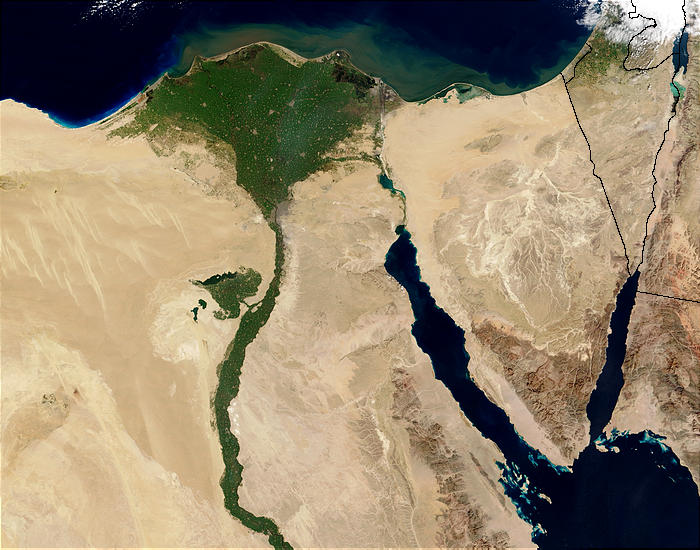
- Egyptian life is centered around the Nile River
- Nile water is used for drinking, irrigating, bathing, and for transportation
- Flows North to South
- Longest River 4,000 miles
- Learned how to irrigate it

Pyramids
- The Great Sphinx of Giza
- built 2555-2532BC
Daily Life
Tuesday, February 17, 2015
2/17/15
Today we had a Cyber Day. Here are the notes I took on Ancient Egypt.
Geography
Geography
- Egyptian life is centered around the Nile River
- Nile water is used for drinking, irrigating, bathing, and for transportation
- Nile floods every July
- Leaves behind rich soil in October
- The delta is a broad, marshy triangular area of fertile silt
Pyramids
- The Great Sphinx of Giza (built 2555-2532 BC)
- A lion with a human's head
- Oldest monumental statue in the world
Daily Life
- Slaves/servants helped the wealthy with household and child raising duties
- Raised wheat, barley, lentils, and onions - benefited from irrigation of the Nile
- Artisans would carve statues and reliefs showing military battles and scenes in the afterlife
- Money/barter system was used - merchants might accept bags of grain for payment - coinage came later
- Scribes kept records, told stories, wrote poetry, described anatomy, and medical treatments
- They wrote in hieroglyphs and in hieratic
- soldiers used wooden weapons with bronze tips
- Upper class, known as the "white kilt class" priests, physicians, engineers
Pharaohs
- The religious and political leader of the Egyptian people, holding the titles: Lord of Two Lands and High Priest of Every Temple
- He owned all land, made laws, collected taxes, and defended Egypt against foreigners
- Hatshepsut was a woman who served as a pharaoh
- Cleopatra VII also served as a pharaoh
Gods and Goddesses
- over 2000 gods and goddesses
- they "controlled" the lives of humans
Subscribe to:
Posts (Atom)